
Houthi Attacks in the Red Sea: A Growing Threat to Global Trade
Yemen’s Houthi rebels have once again drawn international attention after a series of attacks on commercial shipping in the Red Sea. These actions highlight the group’s transformation from a local insurgency into a regional power capable of disrupting global trade and challenging major international forces.
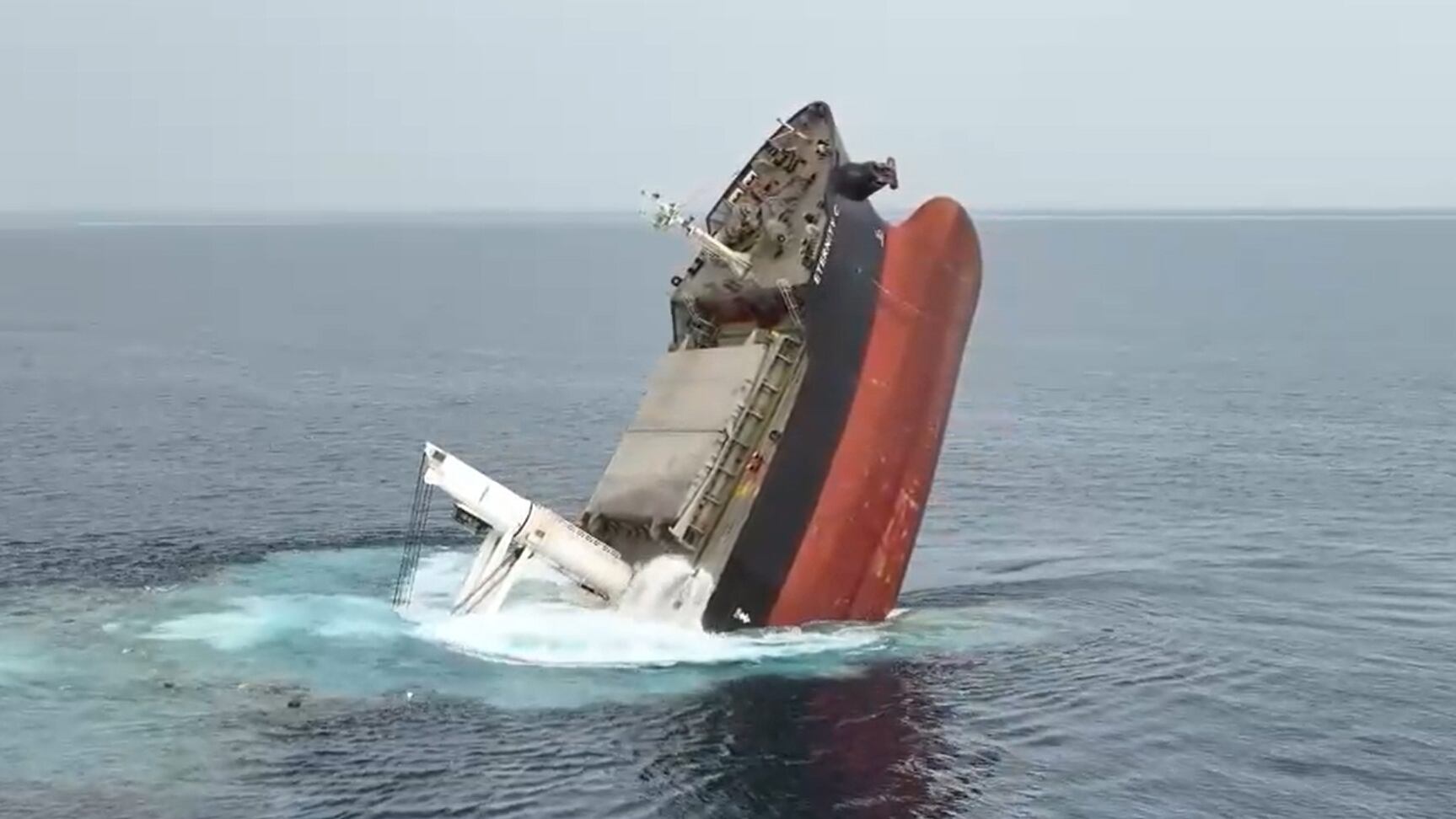
Recent incidents include the sinking of two Greek-owned, Liberian-flagged cargo vessels, the MV Magic Seas and MV Eternity C. These attacks resulted in the deaths of several seafarers and the taking of crew members as hostages, marking a significant escalation in the Houthis’ maritime campaign. The MV Eternity C, which included a security team, was struck by bomb-laden drones before sinking.
These events occur amidst a delicate geopolitical landscape, with ongoing discussions regarding a potential ceasefire between Israel and Hamas and Iran’s consideration of re-engaging in nuclear negotiations.
Experts are warning that the Houthis have become too entrenched and adaptable to be ignored. Despite a prolonged US air campaign and setbacks for Iran, the Houthis have not only survived but have also expanded their disruptive capabilities. Some observers believe the ceasefire agreement reached with the US in May has emboldened the group.
Iran’s Role and Houthi Autonomy
While the Houthis receive military and political support from Iran, analysts emphasize their operational independence. They develop their own strategies, build local institutions, and cultivate relationships that extend beyond Tehran.
Tehran provides the Houthis with weapons, technology, and limited financial assistance, gaining valuable leverage in return. Iran played a role in the ceasefire with the US, influencing the Houthis to halt attacks on US ships, demonstrating their ability to influence the group’s actions as needed.
However, the Houthis also possess significant financial autonomy. They generate revenue through smuggling, religious taxation, and administrative income from the territories they control in Yemen. This financial independence contributes to their resilience and ability to operate independently from Iran.
Houthi Capabilities and Tactics
The Houthis’ organizational structure and technological capabilities also contribute to their strength. Their organizational behavior mirrors traditional tribal dynamics, making intelligence penetration difficult and fostering high levels of loyalty. Furthermore, the Houthis have demonstrated technological self-sufficiency, enhancing their operational capabilities.
Since November 2023, the Houthis have launched over 100 attacks on international shipping, claiming these actions are aimed at ending Israel’s offensive in Gaza. These attacks have forced global carriers to reroute around Africa, significantly increasing shipping times and costs.
In one of their earliest escalations, the Houthis hijacked the Galaxy Leader, a ship with partial Israeli ownership, in November 2023, and have held its crew hostage for over a year. Their first fatal strike on a commercial vessel occurred in March of last year, resulting in the deaths of three crew members aboard a bulk carrier in the Gulf of Aden.
International Response and Concerns
Israel has responded to the recent attacks by striking key Houthi ports, a power station, and the Galaxy Leader, which the Houthis were using to track other ships. These strikes and the Houthi attacks have raised concerns about a renewed Houthi campaign against shipping, potentially drawing in US and Western forces.
The Houthis maintain that they are targeting vessels that violate their self-imposed blockade on Israeli ports.
The UN Security Council has authorized continued reporting on Houthi attacks in the Red Sea, despite previous demands to halt such attacks. Russia and China abstained from the vote, citing concerns about attacks against Yemen’s sovereignty, a clear reference to US air strikes against the Houthis.
Some observers argue that Russia and China have contributed, directly or indirectly, to the Houthis’ operational sustainability and international positioning. Russia is seen as benefiting from disruptions to Western interests and trade through the Red Sea. There are reports that Russia’s military intelligence agency provided the Houthis with targeting data for attacks on US ships. Additionally, some Yemeni fighters, with Houthi approval, have joined Russian military efforts in Ukraine.
The US has also sanctioned a Chinese company for providing satellite imagery that aided Houthi strikes.
The Long-Term Threat
Analysts suggest that international actors continue to underestimate the long-term threat posed by the Houthis. The Houthis are expected to continue building their capacity and capabilities to harm Western interests. They believe they are more valuable when they can leverage and harm US interests in the region.
The Houthis are emboldened by the perceived lack of action from the international community and do not fear losing territory. Without significant pressure and a real threat of losing control of terrain, they will continue to threaten international shipping lanes.
The US Central Command recently reported that Yemeni partners intercepted a shipment of Iranian weapons bound for the Houthis, highlighting ongoing efforts to counter the group’s capabilities. However, the Houthis’ resilience, operational independence, and strategic importance in the region suggest that they will remain a significant challenge to regional stability and global trade for the foreseeable future.